How Much Protein Do You Actually Need?
Protein is the structural building block of muscle, and getting enough of it is probably the single most impactful nutrition variable for body composition. The right amount depends on your body weight, how active you are, and what you are trying to achieve — whether that is building muscle, losing fat while preserving lean mass, or simply supporting general health.
I built this calculator to cut through the conflicting advice and give you a straightforward daily protein target grounded in current research. The numbers are based on grams per kilogram of body weight, which is the standard unit used in sports nutrition science.
Protein Recommendations by Goal
Here is what current evidence suggests for different goals and activity levels:
- Sedentary adults (general health): 0.8 g/kg body weight — the minimum RDA, not optimised for performance
- Recreational exercisers: 1.2–1.6 g/kg — supports muscle maintenance and recovery
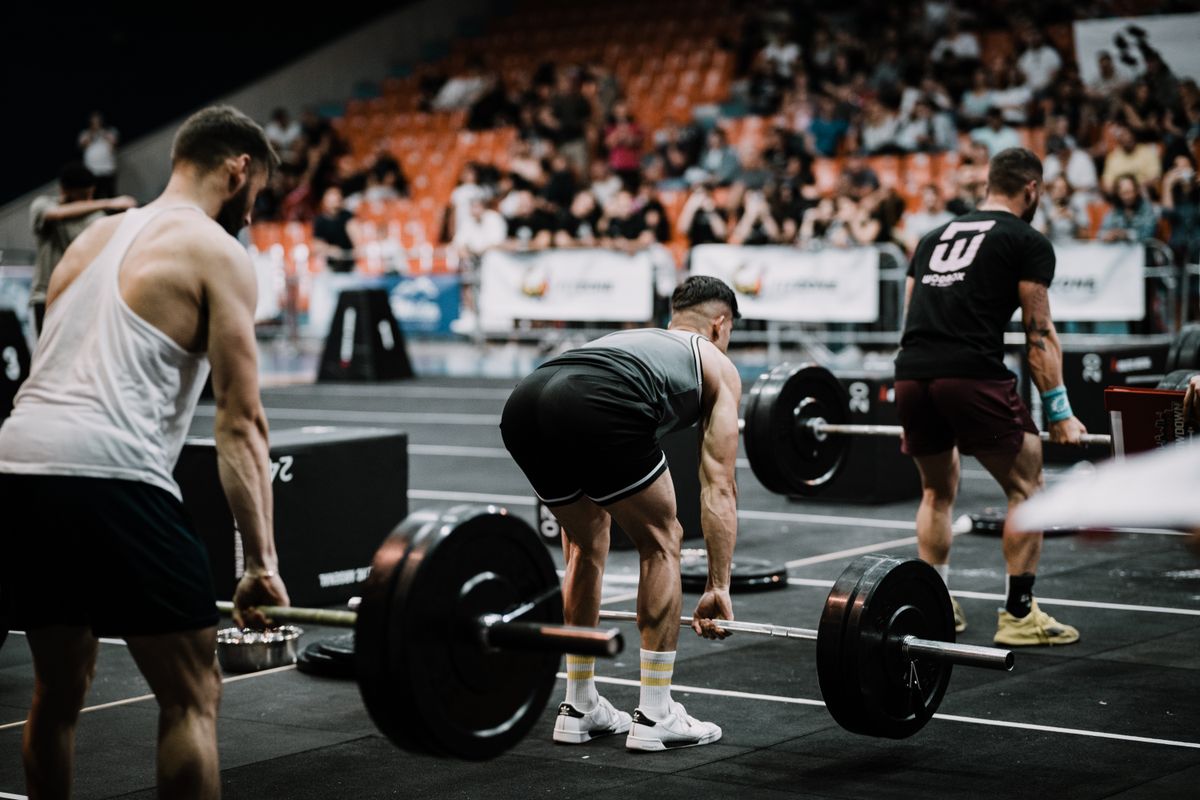
- Resistance training for muscle gain: 1.6–2.2 g/kg — the range most consistently shown to maximise muscle protein synthesis
- Fat loss with resistance training: 2.2–3.1 g/kg — higher intakes help preserve muscle in a calorie deficit
- Endurance athletes: 1.4–1.7 g/kg — supports muscle repair and glycogen metabolism
Higher intakes above 2.2 g/kg are safe for healthy adults and may offer additional benefits during aggressive dieting, but the marginal benefit over 2.2 g/kg for muscle gain is small.
Distributing Protein Throughout the Day
Total daily protein intake matters most, but timing and distribution add an additional layer of optimisation. Research suggests that spreading protein evenly across 3–5 meals maximises muscle protein synthesis better than eating the same total amount in one or two large sittings. Each meal should ideally contain 20–40 grams of protein to effectively stimulate muscle building.
Protein-rich food sources to build your intake around include chicken breast, eggs, Greek yogurt, cottage cheese, lean beef, fish, tofu, legumes, and whey protein. Whole food sources are generally preferable, but protein supplements can be a convenient and cost-effective way to close the gap if you find it difficult to hit your target from food alone.
Frequently Asked Questions
Can I eat too much protein?
For healthy adults with no pre-existing kidney disease, high protein intake (even 3+ g/kg) is safe based on current research. The common concern about protein damaging kidneys applies to people with existing kidney impairment, not healthy individuals. However, very high protein intake can crowd out other important nutrients if total calorie intake is limited, so balance matters.
Does protein timing matter (e.g., post-workout)?
The "anabolic window" after training is real but wider than originally thought — roughly 4–6 hours, not 30 minutes. Getting protein in around your training session is beneficial, but hitting your total daily target is more important than precise timing. If you train fasted, consuming protein soon after is more valuable than if you trained a few hours after a protein-rich meal.
Should I count protein from plant sources differently?
Plant proteins are often lower in one or more essential amino acids, particularly leucine, which drives muscle protein synthesis. To compensate, plant-based eaters may benefit from aiming 10–20% higher on their protein target and combining complementary sources (e.g., rice and beans) throughout the day. This is an estimate — consult a registered dietitian for personalised nutrition guidance.