How to Calculate How Much Mulch You Need
I built this mulch calculator to help you figure out how many bags or cubic yards to buy before your next garden project. The calculation is straightforward: multiply the area of your beds by the desired depth, then convert to cubic yards or cubic feet. The tricky part is that mulch is sold in bags (typically 2 cubic feet each) and in bulk by the cubic yard — knowing which is more economical for your project size can save you a surprising amount of money.
As a general rule, if you need more than 3–4 cubic yards (roughly 40–50 bags), bulk delivery from a landscape supplier is significantly cheaper. At a typical price of $2–$4 per bag for 2 cubic feet, bags cost $30–$60 per cubic yard. Bulk mulch typically runs $20–$45 per cubic yard delivered. The crossover point where bulk becomes cheaper is usually around 2–3 cubic yards.
How Deep Should Mulch Be?
Mulch depth is a goldilocks problem — too little and it doesn't suppress weeds or retain moisture effectively; too much smothers plant roots and creates pest habitat. Here's the guidance I follow:
- Ideal mulch depth: 2–4 inches for most garden beds and shrub borders.
- Around trees: 3–4 inches in a wide ring but keep mulch 2–3 inches away from the trunk (volcano mulching kills trees).
- Playgrounds and play areas: 6–12 inches of wood chip mulch for impact absorption and fall safety.
- Slopes and erosion-prone areas: use shredded hardwood mulch (knots together better than nuggets) at 3–4 inches.
Choosing the Right Mulch Type
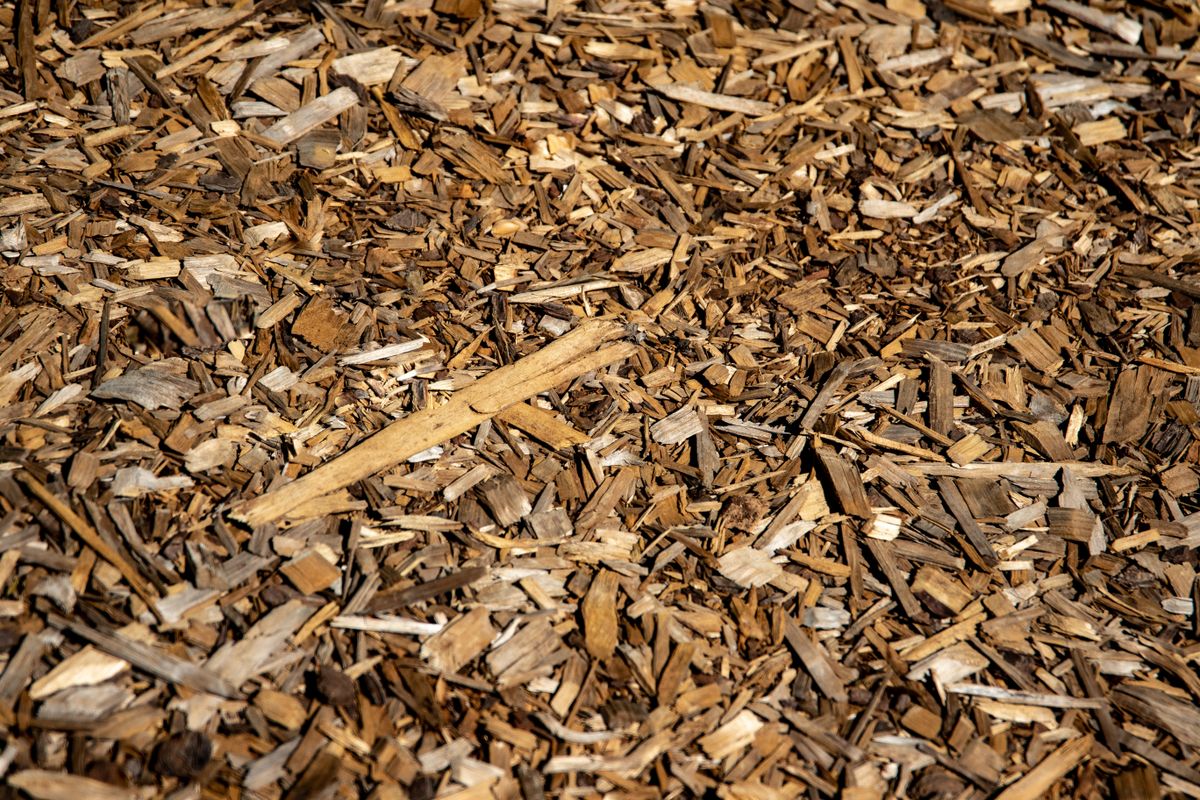
Shredded hardwood bark mulch is the most popular choice for garden beds — it decomposes slowly, improves soil as it breaks down, and looks tidy. Wood chip mulch (coarser, irregular chips) is cheaper and excellent for pathways and around trees but looks less formal in garden beds. Pine bark nuggets are attractive and acidify the soil slightly as they decompose, making them ideal for acid-loving plants like azaleas, rhododendrons, and blueberries.
Rubber mulch (made from recycled tyres) is extremely durable, doesn't decompose, and is popular for playgrounds. However, it doesn't improve soil health and can get very hot in direct sun. Cedar mulch is naturally insect-repellent and is a good choice for beds near foundations where you want to discourage ants, termites, and beetles. Straw mulch decomposes quickly and is ideal for vegetable gardens where you want to add organic matter to the soil each season.
Frequently Asked Questions
How often should I refresh mulch?
Most organic mulches (wood chips, shredded bark, straw) decompose over time and need to be refreshed annually or every two years. Rather than raking out old mulch and replacing it, you can simply top up with a new 1–2 inch layer on top of the old material. The decomposed bottom layer adds organic matter to the soil, which is beneficial. Check in spring and fall — if the layer has compacted to less than 2 inches, it's time to add more.
How many bags of mulch are in a cubic yard?
One cubic yard equals 27 cubic feet. A standard 2-cubic-foot bag covers 2 cubic feet, so you need 13.5 bags to equal one cubic yard — round up to 14 bags. Some suppliers sell 3-cubic-foot bags, which means you need 9 bags per cubic yard. Always check the bag size before calculating, as sizes vary between brands.
Can I put mulch directly on top of weeds?
You can, but for best results pull or smother weeds first. Lay cardboard or 4–6 sheets of newspaper directly over existing weeds (overlap the edges by 6 inches to prevent gaps), wet it thoroughly, then apply mulch on top. The cardboard smothers weeds without chemicals and decomposes within a season, adding carbon to the soil. This "sheet mulching" method is one of the most effective natural weed-suppression techniques available to home gardeners.