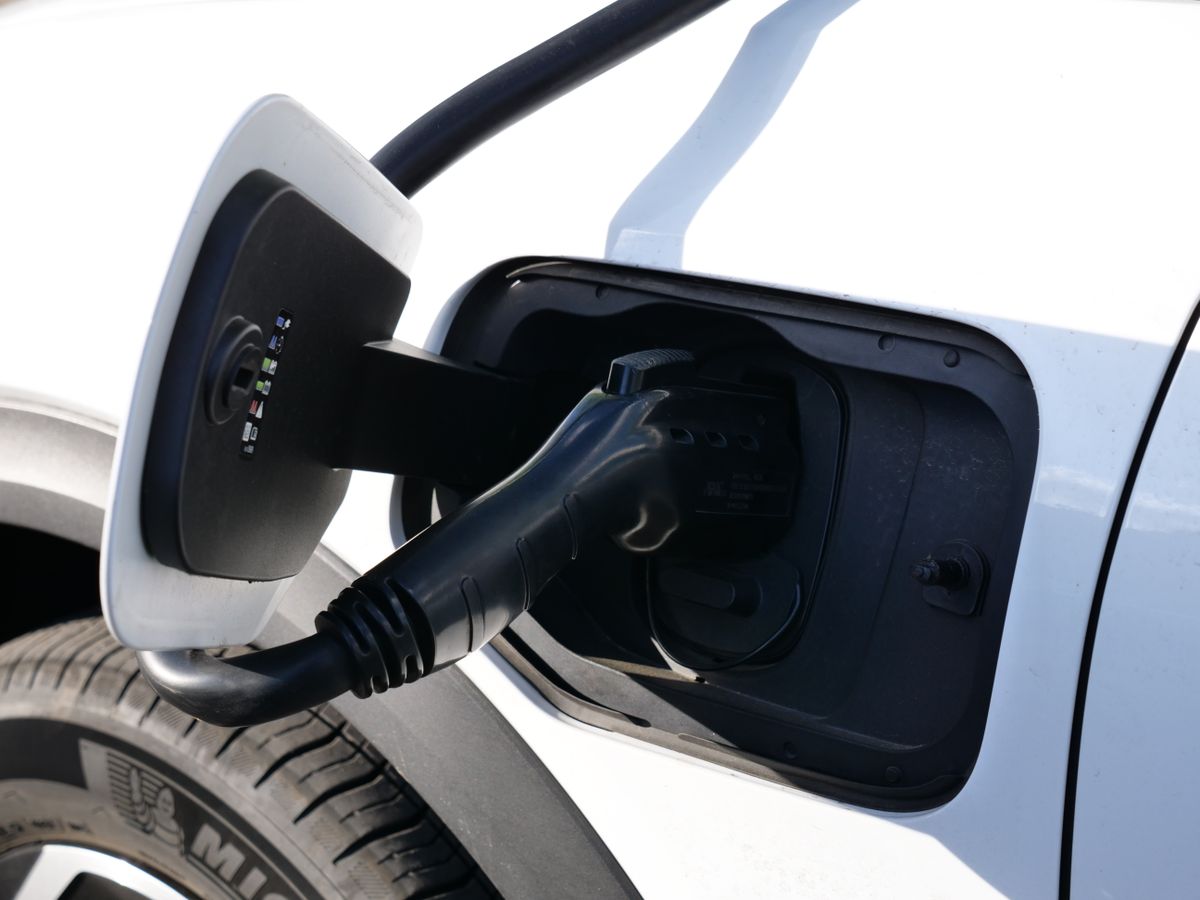
What Is an EV Charging Cost Calculator and How Does It Work?
An EV charging cost calculator estimates how much it costs to charge an electric vehicle by multiplying the energy added to the battery by the local electricity rate, adjusted for the energy lost as heat during AC-to-DC conversion. It also estimates charging time from the charger's power output and the extra driving range that charge provides.
The core formula is: Cost = (Battery kWh × Charge Added %) ÷ Charging Efficiency × Electricity Rate. Charging efficiency — typically 85–92% for Level 1 and Level 2 charging — accounts for conversion losses between the wall outlet and the battery cells; DC fast chargers skip onboard AC-to-DC conversion and can reach closer to 95% efficiency.
According to the U.S. Energy Information Administration, the average U.S. residential electricity rate was 18.83 cents per kWh as of April 2026, ranging from about 12 cents in North Dakota to over 46 cents in Hawaii — meaning the cost to fully charge the same EV can vary by more than 3x depending on where you live.
How to Use This EV Charging Cost Calculator
Enter your vehicle and charger details and the cost, charging time, and range update instantly. Here's what each field means:
- Battery Capacity: The usable battery size in kWh, found in your vehicle's manual or spec sheet — most EVs range from 40 kWh (compact cars) to over 100 kWh (long-range trucks and SUVs).
- Starting and Target Charge: The battery percentage you're charging from and to. Manufacturers generally recommend charging to 80–90% for daily use and reserving 100% charges for road trips.
- Charger Type: Level 1 (120V household outlet), Level 2 (240V home or public charger), or DC Fast Charging (public high-speed stations) — each has a different power output and typical cost per kWh.
- Electricity Rate: Your cost per kWh, found on your utility bill. Many utilities offer discounted overnight or off-peak EV charging rates.
- Vehicle Efficiency: How many miles (or kilometers) your EV travels per kWh — check your car's trip computer or EPA rating; most EVs average 3–4.5 miles per kWh.
This calculator works in both miles and kilometers, and the electricity rate field adapts to your selected currency — useful whether you're estimating a home charge in the US, a public charger in the UK, or a road trip anywhere else.
Charging Speed by Charger Type
Charging power varies dramatically by connector type, which directly affects both charging time and, often, the price charged per kWh at public stations.
| Charger Type | Power Output | Range Added per Hour |
|---|---|---|
| Level 1 (120V) | 1.4 kW | 3–5 miles |
| Level 2 (240V, 32A) | 7.4 kW | 20–25 miles |
| Level 2 (240V, 48A) | 11 kW | 30–35 miles |
| DC Fast Charging | 50 kW+ | 150–200+ miles |
Frequently Asked Questions
How much does it cost to fully charge an electric car?
At the 2026 U.S. average residential rate of about $0.19/kWh, fully charging a 75 kWh battery from empty costs roughly $16–$18 after accounting for charging losses — about a third to a quarter of the cost of filling a comparable gas tank, per Department of Energy fuel-cost comparisons.
How accurate is this EV charging cost calculator?
This calculator uses standard charging-efficiency assumptions (85–92% for AC charging) and your entered electricity rate and vehicle efficiency, giving a reliable planning estimate. Actual costs vary with ambient temperature, battery preconditioning, charger condition, and time-of-use utility rates, so treat the result as an estimate rather than an exact bill.
Is Level 2 charging cheaper than DC fast charging?
Yes, in most cases. Home Level 2 charging typically costs your standard residential electricity rate, while public DC fast chargers often charge a premium per kWh — sometimes double or more — to cover the higher infrastructure and demand-charge costs of high-power equipment.
How do I reduce my EV charging costs?
Charge at home overnight on off-peak utility rates where available, avoid unnecessary DC fast charging for routine daily driving, and keep your routine charge limit around 80% rather than 100% — both to save money and to reduce long-term battery degradation.