The Coffee-to-Water Ratio: Why Your Home Brew Is Weaker Than the Café's
For years I measured coffee with a spoon. One scoop per cup, just like the tin said. My coffee was drinkable — warm, vaguely brown, slightly bitter — but it never tasted like the flat white I was paying £4.50 for down the road. I blamed my cheap machine, my tap water, my beans.
Then someone handed me a kitchen scale and told me to try 15 grams of coffee to 250 grams of water.
It was the same beans. The same water. Completely different cup.
The single biggest variable in home coffee — the one that separates weak, watery brews from the kind that tastes like a café made it — is the ratio of coffee to water. And almost nobody measures it correctly, because almost nobody measures it at all. Use the Coffee-to-Water Ratio Calculator to dial in your brew, or read on to understand why the ratio matters and how to calculate it for any method.
What Is the Coffee-to-Water Ratio?
The coffee-to-water ratio is the weight of ground coffee divided by the weight of water used to brew it, expressed as 1:X. The Specialty Coffee Association (SCA) Golden Cup Standard specifies a ratio of between 1:15.5 and 1:17.4 for brewed filter coffee — meaning one gram of coffee for every 15.5 to 17.4 grams of water. The midpoint most specialty coffee shops use is 1:16.
This is a gravimetric ratio — everything measured by weight, not volume. That distinction matters enormously, and we'll get to why in a moment.
The ratio framework applies universally: espresso uses roughly 1:2 (very concentrated), cold brew uses 1:8 to 1:12 (then diluted over ice), and drip filter sits in the 1:15 to 1:18 range. Every time you make a different-tasting cup without changing beans or method, you've accidentally changed the ratio.
How to Calculate Your Brew Ratio
The maths is simple once you know whether you're starting with the amount of coffee you have or the cup size you want.
Coffee (g) = Water (g) ÷ Ratio
Worked example — making a 300ml pour-over at 1:16:
A millilitre of water weighs approximately one gram, so 300ml ≈ 300g of water.
- Coffee needed: 300 ÷ 16 = 18.75g (round to 19g)
Worked example — you have 25g of coffee left, what can you brew?
- Water: 25 × 16 = 400g (about 400ml, roughly a large mug and a half)
Scaling for a group — 4 cups of drip at 1:17 (each cup = 200ml):
- Total water: 4 × 200 = 800g
- Coffee: 800 ÷ 17 = 47g
These are the exact calculations the Coffee-to-Water Ratio Calculator runs — you enter your target volume and preferred ratio, and it outputs the gram weight of coffee needed. For scaling a recipe up or down for different cup counts, the Recipe Scaling Calculator works on the same principle.
Key Takeaway
The SCA golden ratio range of 1:15.5 to 1:17.4 is a range, not a single number — and your preference within that range is valid. A 1:15 ratio produces a fuller-bodied, more intense cup; 1:18 is lighter and more delicate. Start at 1:16, brew a cup, and adjust one variable at a time from there.
The Right Ratio for Every Brew Method
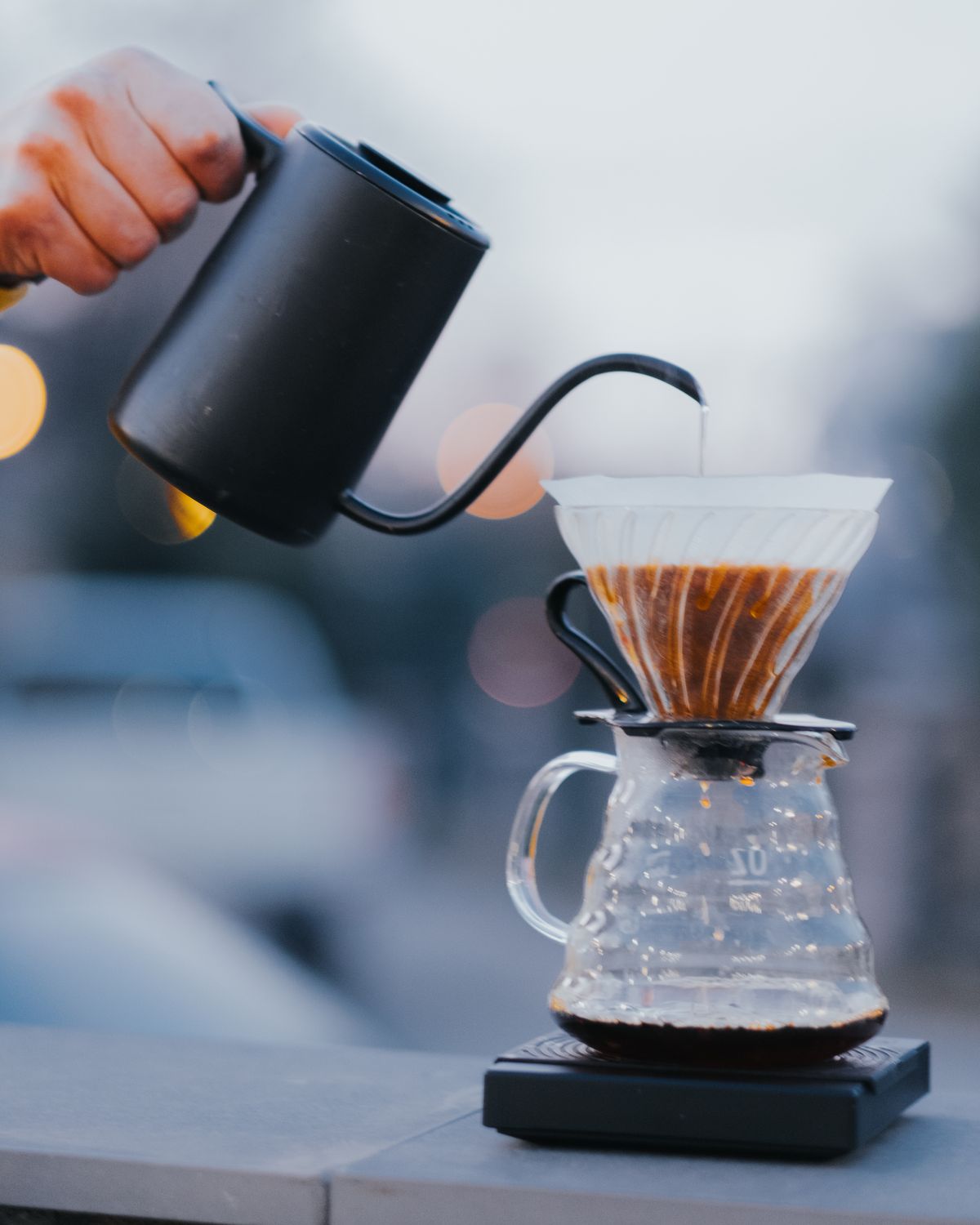
Different brewing methods need different ratios because of how they extract flavour — contact time, water temperature, pressure, and filtration type all change what ratio produces a balanced cup.
| Brew Method | Ratio Range | Coffee for 300ml |
|---|---|---|
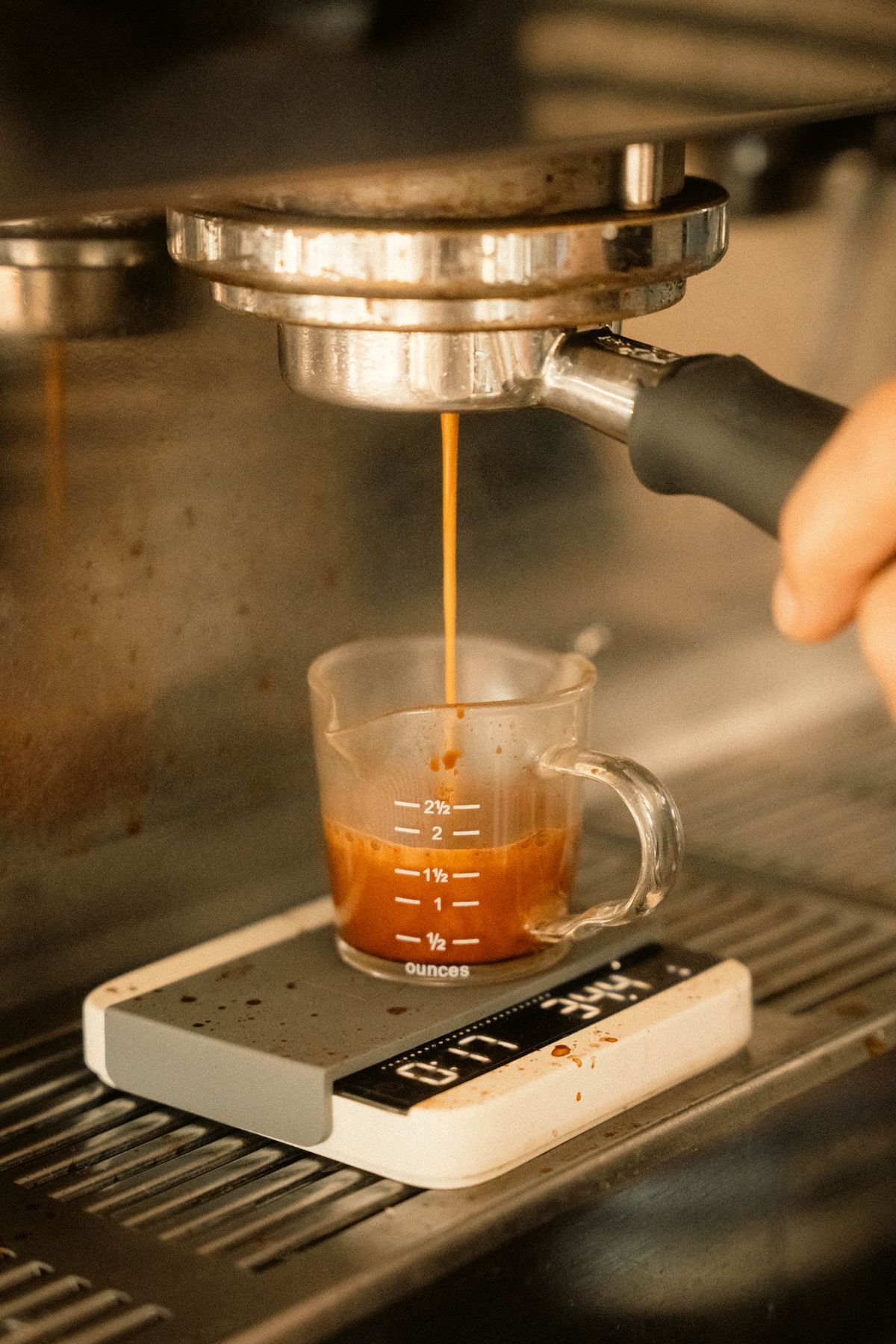
| Espresso (double shot) | 1:2 to 1:2.5 | 18g coffee → 36–45g output |
| AeroPress | 1:10 to 1:16 | 19–30g |
| French Press | 1:14 to 1:16 | 19–21g |
| Pour-over (V60, Chemex) | 1:15 to 1:17 | 18–20g |
| Drip machine | 1:15 to 1:18 | 17–20g |
| Cold brew (concentrate) | 1:8 to 1:10 | 30–37g |
A few things stand out in this table.
Espresso is not "strong" because of a 1:2 ratio alone. It's concentrated because pressure forces water through grounds in 25–30 seconds — the ratio and the extraction method work together. You can't make espresso in a French press by just using a 1:2 ratio; you'd get extremely bitter sludge.
Cold brew ratio is deceptive. A 1:8 concentrate sounds very strong, but when you pour it over ice (which melts and adds roughly the same volume of water again), the effective drinking ratio ends up closer to 1:15. If you brew cold brew at 1:15 directly, it'll taste weak once diluted over ice. Double the coffee and expect to dilute — that's the whole model.
AeroPress has the widest range. That's intentional — the AeroPress is designed for experimentation. A 1:10 ratio with 1-minute steep and gentle press makes something espresso-adjacent; a 1:16 ratio with a longer steep mimics pour-over. Both are valid. Neither tastes like the other.
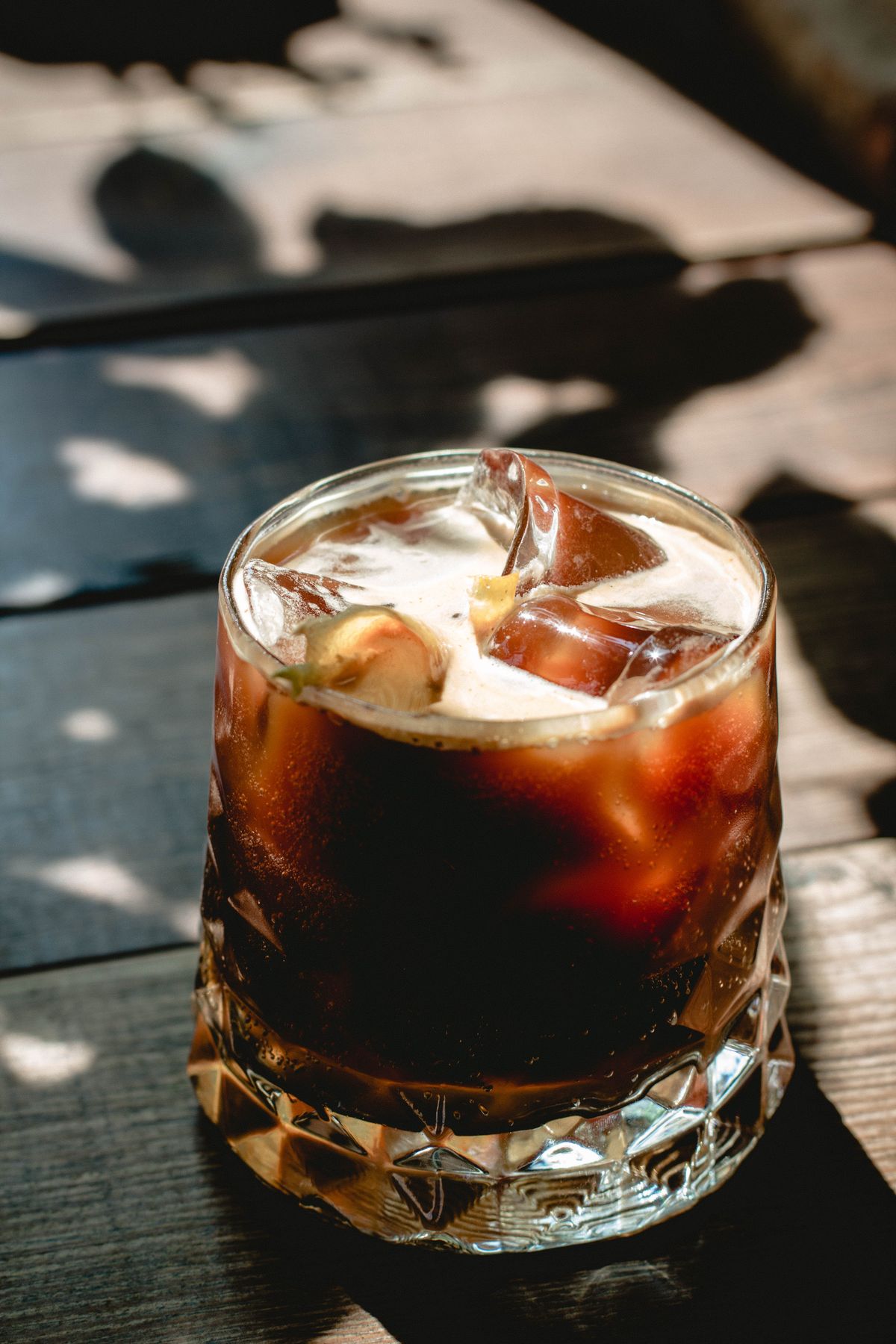
💡 Pro Tip: For Iced Coffee This Summer
When brewing hot coffee over ice, the ice melts and dilutes as you pour. To compensate, brew at 1:10 (roughly half your normal water quantity) and pour directly over a full glass of ice. The melt brings the effective ratio back to about 1:15 — you get cold coffee that's actually flavoured rather than brown water.
Why Tablespoons and Scoops Lie to You
Here's the problem with every coffee tin that says "one scoop per cup": a tablespoon of coffee doesn't weigh the same from one roast to the next.
A lightly roasted bean is dense and heavy — a tablespoon might weigh 6 or 7 grams. A dark roast bean has had more moisture and carbon dioxide expelled during roasting; it's larger, lighter, and more porous — the same tablespoon might hold only 4 grams. That's a 50–75% difference in actual coffee from the same scoop.
The result: if you switch from a light roast to a dark roast and keep measuring by the spoon, your coffee will taste thinner even though you're using the same number of scoops. If you switch from a dark roast to a light roast, it'll taste punishingly bitter. And you'll never know why because the spoon looks the same.
This is why specialty cafés and anyone serious about home brewing use scales, not scoops. A kitchen scale accurate to 0.1g costs less than a decent bag of coffee, and it ends the guessing permanently. You don't need a fancy coffee scale — any kitchen scale that reads in grams will do.
If you don't have a scale yet, a rough conversion: one level tablespoon of medium-roast ground coffee weighs approximately 5–6 grams. For a 300ml cup at 1:16, you'd need about 3 tablespoons — but take that as a starting point to dial from, not a precise measure. The Recipe Converter Calculator handles tablespoon-to-gram conversions for baking ingredients, though coffee sits outside ingredient-specific density tables.
⚠️ Note on Grind Size
Ratio and grind size interact. If you dial in a 1:16 ratio and the coffee still tastes sour and underpowered, try grinding finer before adjusting the ratio — finer grinds extract more flavour from the same dose. If it's bitter and harsh, try coarser first. Change one variable at a time so you know what moved the cup.
Frequently Asked Questions
What is the SCA golden ratio for coffee?
The Specialty Coffee Association (SCA) Golden Cup Standard specifies 55g of coffee per litre of water (±10%), which works out to a ratio of between 1:15.5 and 1:17.4. Most specialty coffee shops target 1:16 as a starting point for pour-over and drip coffee. This standard applies to filter coffee — espresso uses a completely different ratio of around 1:2.
How many grams of coffee per 250ml cup?
At the SCA standard ratio of 1:16, a 250ml cup (250g water) requires about 15.6g of coffee — round to 15 or 16g. At a stronger 1:15, use 16.7g (round to 17g). At a lighter 1:17, use 14.7g (round to 15g). These small gram differences are noticeable in the cup, which is why a scale makes a real difference.
Does the same ratio work for all coffee origins and roasts?
The ratio is a starting point, not a universal constant. Light roasts often taste better at slightly lower ratios (more coffee, like 1:14 to 1:15) because they extract more slowly and can handle a bigger dose. Dark roasts extract quickly and can taste harsh at 1:14 but balanced at 1:17. Expensive single-origin light roasts especially reward experimenting inside the 1:14 to 1:17 range to find the sweet spot for that specific coffee.
Can I use the same ratio for cold brew?
No — cold brew concentrate uses a much higher ratio of roughly 1:8 to 1:10 because the concentrate is meant to be diluted over ice. If you use a 1:16 ratio for cold brew and then pour it over ice, the melting ice will water it down to the point of tasting thin. Brew at 1:8 to 1:10 and then dilute to taste — typically roughly equal parts concentrate and water or ice.
What if my coffee still tastes weak even at 1:15?
Check grind size first — too coarse a grind under-extracts even at a strong ratio. Also check water temperature: optimal extraction for filter coffee is 91–96°C (195–205°F). Below 85°C, extraction drops sharply and the coffee will taste sour and thin regardless of ratio. If grind and temperature are correct, your beans may be stale — ground coffee loses significant flavour within a few weeks of roasting.
Try It Yourself
The gap between café coffee and home coffee almost always comes down to ratio — and once you know the numbers, it's an easy fix.
Use the Coffee-to-Water Ratio Calculator to enter your cup size and target ratio and get the exact gram weight of coffee to use, for any brew method.
Also worth exploring:
- Recipe Scaling Calculator — scale any recipe up or down, including brewing larger batches for guests
- Recipe Converter Calculator — convert between cups, tablespoons, millilitres, and grams for baking and cooking ingredients