How Many Calories Does Exercise Actually Burn?
The calories you burn during exercise depend on three main factors: your body weight, the intensity of the activity, and how long you do it. Heavier individuals burn more calories performing the same exercise as lighter individuals because moving a larger mass requires more energy. Duration multiplies that effect — twice as long generally means roughly twice the calories.
I built this calculator using MET (Metabolic Equivalent of Task) values, which are the research-backed standard for estimating exercise energy expenditure. MET values are published by the Compendium of Physical Activities, a database researchers have compiled over decades of exercise science studies. The formula is: Calories = MET × weight (kg) × time (hours).
Which Activities Burn the Most Calories?
High-intensity activities with large muscle group involvement burn the most calories per minute. Here are approximate ranges for a 70 kg (154 lb) person:
- Running at 8 km/h (5 mph): ~560 kcal/hour
- Cycling at moderate pace: ~490 kcal/hour
- Swimming (freestyle, moderate): ~420 kcal/hour
- Brisk walking: ~280 kcal/hour
- Yoga (hatha): ~180 kcal/hour
- Weight training (general): ~210 kcal/hour
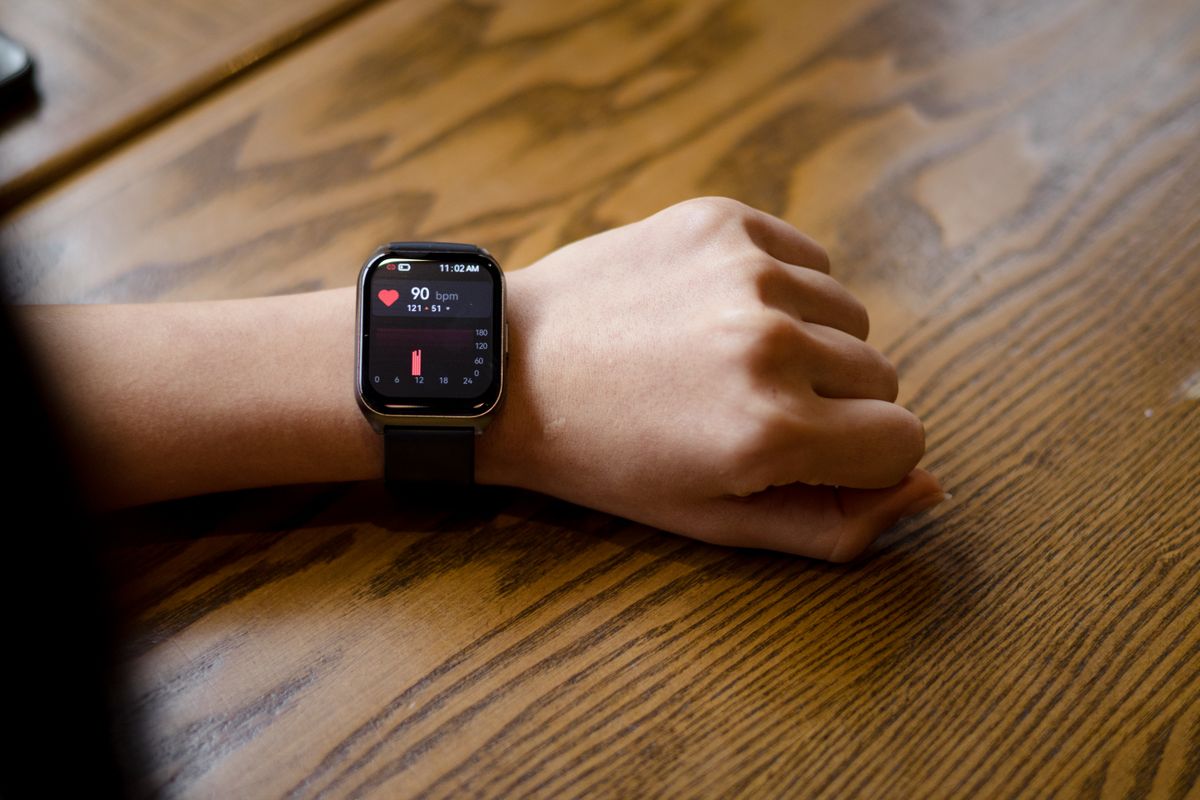
These are estimates. Actual calorie burn varies with fitness level, terrain, temperature, and individual metabolism. Wearables and gym machines often overestimate calorie burn by 20–30%.
Using Calorie Burn Data Effectively
Knowing how many calories you burn in a workout is useful context, but it is easy to over-rely on it. Research consistently shows that people tend to compensate by eating more after exercise — especially high-intensity sessions. Use this data to inform your overall calorie balance alongside your Daily Calorie Calculator result, not as a license to eat back every calorie burned.
For fat loss, the most effective approach combines a moderate dietary deficit with consistent exercise rather than relying on exercise alone. Even a 30-minute walk burns meaningful calories and has compounding health benefits well beyond calorie expenditure.
Frequently Asked Questions
What is a MET value?
MET stands for Metabolic Equivalent of Task. A MET of 1 represents the energy expended sitting quietly at rest. Walking at a moderate pace is around 3.5 METs, meaning it burns 3.5 times more energy than sitting still. Running hard might be 10–14 METs. The higher the MET, the more intense the activity.
Does fitness level affect how many calories I burn?
Yes, but perhaps not in the way you expect. Fitter individuals become more efficient at exercise, meaning they can do more work with less energy expenditure over time. A trained runner burns slightly fewer calories per kilometre than a beginner running the same distance. This is one reason progressive overload — gradually increasing workout intensity — is important for continued progress.
Should I eat back calories burned during exercise?
This depends on your goals and the type of activity. For weight loss, most approaches suggest eating back only a portion of exercise calories to maintain a deficit while fuelling recovery. For endurance athletes training heavily, adequate fuelling is essential for performance and injury prevention. This is an estimate — consult a registered dietitian for personalised guidance.