The Recipe Said '1 Cup of Salt per Gallon.' My Turkey Came Out Like a Ham — Here's the Brine Math
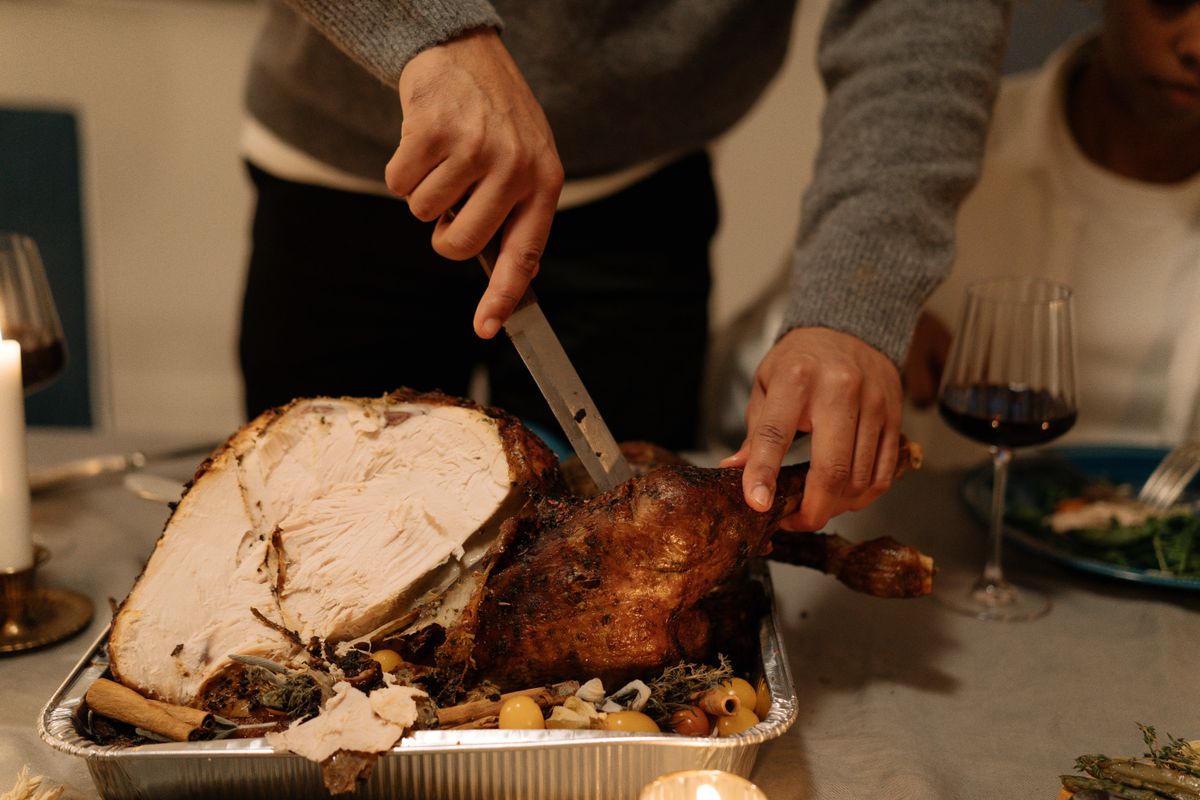
Two Novembers ago I brined my first turkey from a recipe I'd found online: "1 cup of salt per gallon of water, 24 hours in the fridge." I had table salt in the cupboard, so in it went. The next afternoon the bird looked gorgeous. It tasted like a holiday ham. My brother-in-law drank three glasses of water during dinner and politely called it "very seasoned."
The recipe wasn't wrong. My salt was. If you're planning to brine a turkey, chicken or pork this season and want to know exactly how much salt to use, whichever kind is in your kitchen, this guide shows the maths. A brine calculator turns the guesswork into grams, but it helps to see why "a cup" is such a slippery measurement.
⚠️ Disclaimer
This article is for informational purposes only and does not constitute food safety or medical advice. Follow your local food safety authority's guidance, and speak to a doctor if you're on a sodium-restricted diet.
What Is a Brine and How Do You Calculate It?

A brine is a solution of salt dissolved in water, usually 3–6% salt by weight for cooking, in which meat, poultry or seafood is soaked so it absorbs moisture and seasoning. Brining increases the water-holding capacity of muscle proteins, which is why lean cuts like turkey breast and pork chops stay juicier after cooking.
The key word is weight. Cooks talk about brine strength as a percentage of the water's weight, and the formula is:
Water weighs 1,000 g per litre, or about 946 g per US quart. So here's a standard turkey brine, worked through in both unit systems:
| Water | Water weight | 5% salt |
|---|---|---|
| 4 US quarts (1 gallon) | 3,785 g | 189 g |
| 5 litres | 5,000 g | 250 g |
| 2 US gallons | 7,571 g | 379 g |
The USDA Food Safety and Inspection Service says meat and poultry should be brined in the refrigerator at 40°F (4°C) or below, and that brine that has touched raw poultry must be thrown away rather than reused. Those two rules matter more than any salt percentage.
Key Takeaway
Brine strength is a weight ratio. A recipe that gives salt in cups or tablespoons is only as accurate as the crystal size of the salt you happen to own.
Why Does "1 Cup of Salt" Mean Three Different Brines?
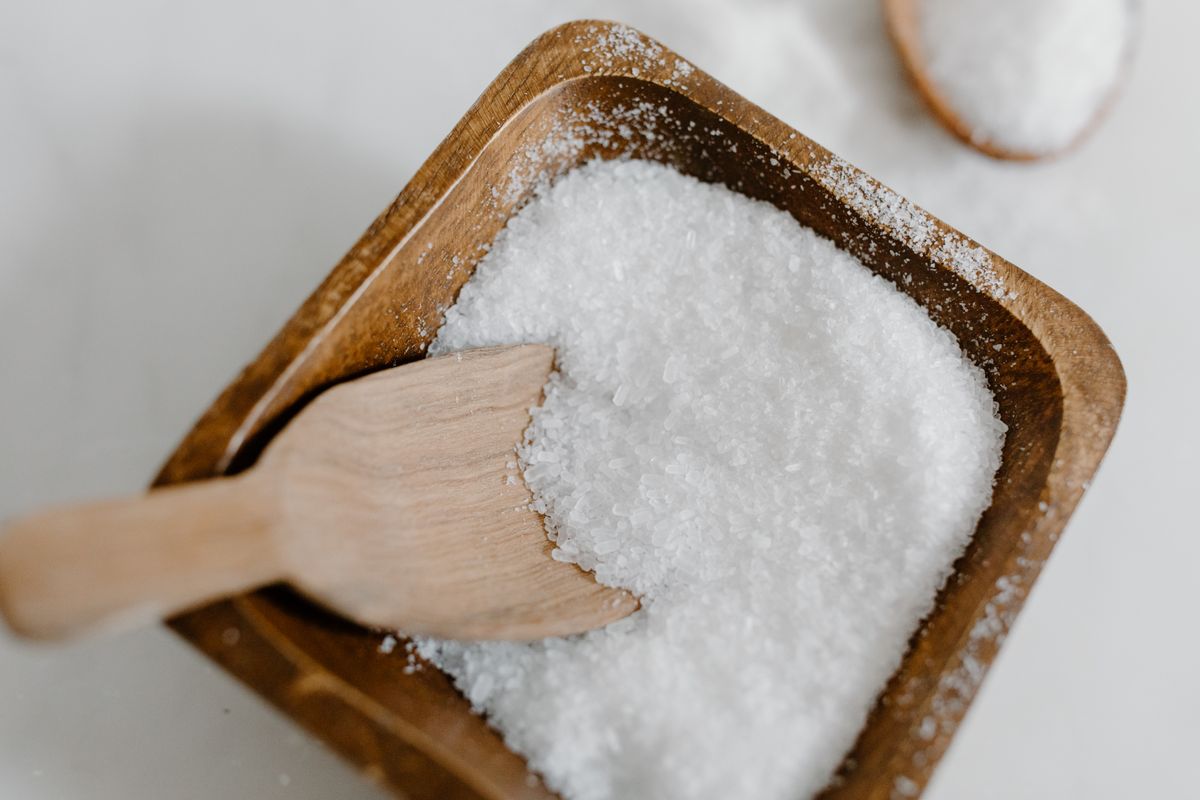
Salt crystals come in very different shapes. Fine table salt packs tightly. Flaky kosher salt is mostly air. A tablespoon of each holds a very different amount of actual sodium chloride:
| Salt type | Grams per tbsp | Grams per cup |
|---|---|---|
| Fine table salt | ~18 g | ~288 g |
| Morton kosher | ~15 g | ~240 g |
| Diamond Crystal kosher | ~9 g | ~144 g |
These are approximations. Brands vary and how you scoop matters. But the gap is real, and it's what bit me. Take the recipe's "1 cup per gallon" (3,785 g of water):
- Diamond Crystal: 144 g ÷ 3,785 g = 3.8% brine
- Morton kosher: 240 g ÷ 3,785 g = 6.3% brine
- Table salt (what I used): 288 g ÷ 3,785 g = 7.6% brine
My "5% brine" was actually 7.6%, more than 50% saltier than I intended, and I left the bird in it for a full 24 hours. That's the whole story of the ham-flavoured turkey.
The fix is to decide on a percentage first, then convert to whatever salt you own. For a 5% brine in one US gallon (189 g of salt):
- Diamond Crystal: 189 ÷ 9 = 21 tablespoons (about 1⅓ cups)
- Morton kosher: 189 ÷ 15 = 12.6 tablespoons (about ¾ cup)
- Table salt: 189 ÷ 18 = 10.5 tablespoons (about ⅔ cup)
If you want to skip the arithmetic, our Brine Calculator does exactly this conversion, and you can pick your salt type from a dropdown.
💡 Pro Tip
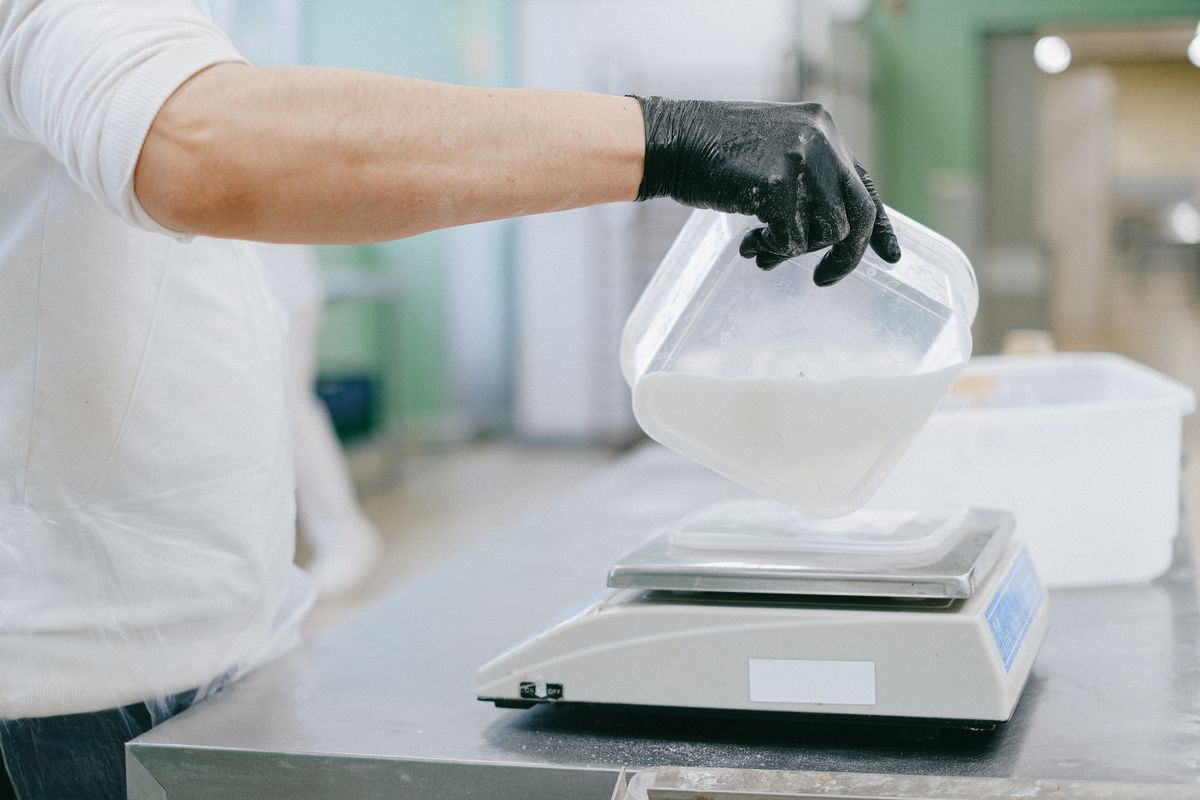
A $15 kitchen scale removes the entire problem. Weigh the water, weigh the salt, done. If you're working from a recipe in cups, the Recipe Converter and our Weight Converter help you switch between volume and grams.
How Long Should You Brine Different Foods?
Brining time is how long food sits in a salt solution before cooking. It trades off against strength: a stronger brine works faster but over-salts sooner if you forget about it. Here are typical kitchen guidelines at 3–5% strength:
| Food | Salt (% of water) | Time |
|---|---|---|
| Whole turkey | 5% | 12–24 hours |
| Whole chicken | 5% | 8–12 hours |
| Chicken breasts or pieces | 5% | 1–2 hours |
| Pork chops | 5% | 2–4 hours |
| Shrimp | 3% | 15–30 minutes |
These are common cooking guidance, not a regulatory standard, and some cooks prefer a gentler 2–3% brine for a longer soak. Thick cuts take longer than thin ones. A 22-pound turkey needs more time than a 12-pound bird.
Notice that time and strength multiply. My 7.6% brine for 24 hours delivered roughly the salt that a 5% brine would after about 36 hours, which is well past the point where turkey turns salty and spongy.
⚠️ Note
Never brine at room temperature, and never baste with leftover brine. Keep the bird fully submerged in a fridge at 40°F (4°C) or below, then rinse and pat it dry before roasting so the skin crisps.
Wet Brine vs Dry Brine: What's the Difference?
A wet brine soaks food in salt water so it absorbs liquid. A dry brine rubs salt directly onto the surface, typically 0.5–1% of the meat's weight, and lets the meat reabsorb its own juices. Wet brines add the most moisture. Dry brines need no bucket and tend to give crispier skin.
| Method | Salt amount | Best for |
|---|---|---|
| Wet brine | 3–5% of water weight | Lean breast meat, shrimp |
| Dry brine | 0.5–1% of meat weight | Crisp skin, fridge space |
Dry-brine maths is simpler. A 14 lb (6.35 kg) turkey at 0.75% needs about 48 g of salt. That's the easy path if your fridge is already full of pies.
A Brine Plan for Thanksgiving Week
Brining slots between thawing and roasting, so work backwards from dinner. Here's the plan I use now for a 16 lb bird (US, UK or Aus, the timeline is identical):
- Four to five days before: start thawing in the fridge. A 16 lb turkey needs about 3.5 days at the USDA's rule of 24 hours per 4–5 lb. Our Turkey Cooking Time Calculator gives the exact schedule.
- Night before (about 18 hours out): mix a 5% brine, chill it, submerge the bird.
- Morning of: pull, rinse, pat dry, and rest uncovered in the fridge for a few hours.
- Roast: per your calculator's time, until the thickest part of the thigh hits 165°F (74°C).
The same salt-by-weight thinking applies to dough, where a baker's percentage does the job. See the Pizza Dough Calculator if you want to see it in another kitchen setting.
Frequently Asked Questions
How much salt do I need for a turkey brine?
For a standard 5% brine, use about 50 g of salt per litre of water, or roughly 47 g per US quart. A one-gallon brine therefore needs about 189 g, which is around 21 tablespoons of Diamond Crystal or 10.5 tablespoons of table salt.
Can you brine a turkey for too long?
Yes. Beyond about 24 hours in a 5% brine, turkey can turn salty and spongy. If you need a longer window, drop to a weaker 2–3% brine and keep it refrigerated.
Can I use table salt instead of kosher salt?
You can, but you need roughly half the volume, because table salt is about twice as dense as Diamond Crystal. Measure by weight and the brand stops mattering.
Should I rinse the turkey after brining?
A quick rinse removes surface salt, and patting the bird dry afterwards helps the skin brown. Rinse in a way that avoids splashing raw-poultry juices around the sink.
Do I need to brine a pre-brined or kosher turkey?
No. Kosher and "self-basting" birds are already salted, and brining them again usually makes them too salty. Check the label for a sodium or "solution added" percentage.
Try It Yourself
My turkey disaster came down to one wrong assumption: that a cup is a cup. Pick your strength as a percentage, convert to the salt in your cupboard, and the brine takes care of itself.
Run your numbers in the Brine Calculator, plan your timeline with the Turkey Cooking Time Calculator, and convert any recipe amounts with the Recipe Converter.