I Lost Three Rosebushes to a January Cold Snap — Turns Out I'd Mulched Two Weeks Too Early and Half an Inch Too Thin
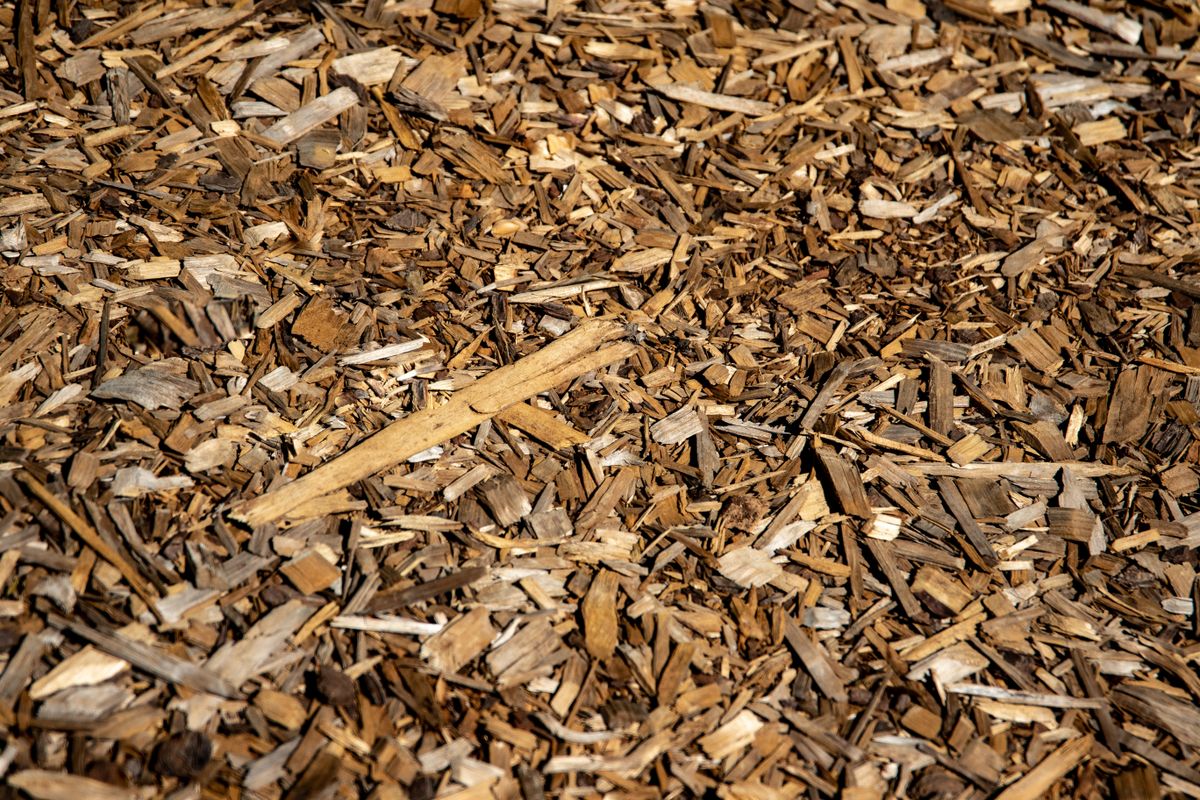
The week after Halloween, I mulched my rose beds because it was a free Saturday and the bags were on sale. Two inches, spread evenly, done by lunch. Felt responsible. Then a hard freeze hit in mid-January — nothing unusual for my zone — and when the ground thawed in February, three of my roses had heaved half out of the soil, their crowns exposed and blackened. The mulch hadn't failed because I skipped it. It failed because I'd applied it too early, at the wrong depth, for the wrong reason.
That's the part nobody tells you: fall mulching for winter plant protection is a different job than spring mulching for weed suppression, with different timing rules and a different target depth. Get the season right but the depth wrong — or vice versa — and you can genuinely do more harm than doing nothing at all.
In This Article
Why Winter Mulching Is a Different Job Than Spring Mulching
Most of what gets written about mulch is a spring topic — weed suppression, moisture retention, curb appeal. Fall (or "winter") mulching solves a completely different problem: insulating soil against the freeze-thaw cycles that physically push plants out of the ground, a phenomenon called frost heave. It has nothing to do with keeping the soil warm; it's about keeping the soil temperature stable, so roots that are shallow, newly planted, or not fully established don't get repeatedly shoved upward and snapped as the ground expands and contracts.
Key Takeaway
Winter mulch isn't a blanket to keep plants warm — it's a buffer that slows how fast the soil temperature swings, which is what actually causes freeze-thaw root damage.
What Mulch Actually Does for Plants in Winter
Mulch is a protective layer of organic or inorganic material spread over soil to regulate temperature, retain moisture, and suppress weeds. For winter application specifically, its job is thermal buffering: a 3–4 inch layer of shredded bark or straw can keep soil several degrees warmer and — more importantly — far more stable than bare soil exposed directly to swinging air temperatures.
Frost heave is the upward displacement of soil and plant roots caused by the repeated freezing and thawing of moisture in the top several inches of ground. It's most damaging to perennials planted within the last year, shallow-rooted groundcovers, and strawberries — plants that haven't had a full season to anchor a deep root system. A plant that heaves even an inch out of the soil can have its exposed roots desiccated by wind and cold within days, which is functionally the same outcome as if it had never survived winter at all.
When to Apply It: The Timing That Actually Matters
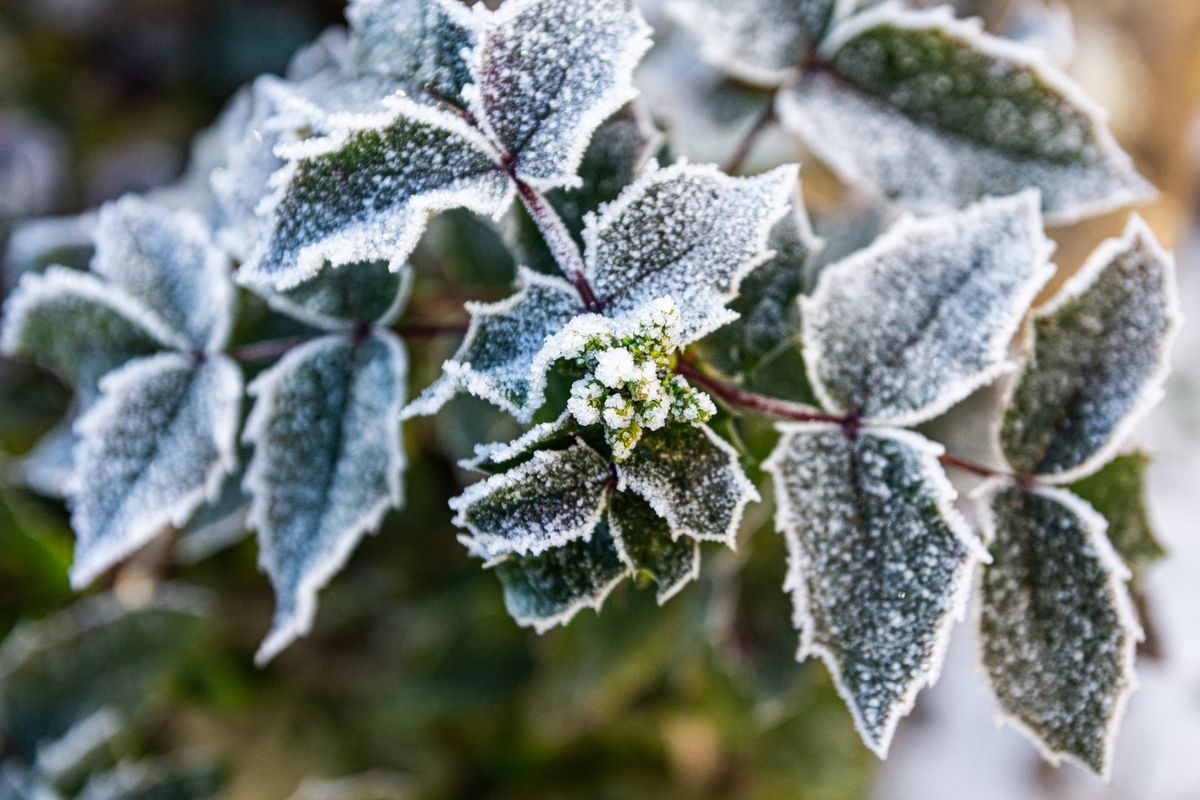
This is the mistake I made. Applying winter mulch too early — while the soil is still warm from summer and average nights haven't consistently dropped below freezing — traps residual heat in the ground and can actually delay the plant's transition into dormancy, leaving new growth vulnerable to the next freeze. It also creates a cozy, undisturbed layer for voles and mice to nest in for the entire winter, right up against your plants' crowns and bark.
University extension services generally recommend waiting until after the first hard, ground-freezing frost — when the plant is fully dormant — before applying the winter layer. In most of the continental US, that's late November to mid-December; in the UK it's typically after the first hard frosts hit in November. Applying mulch a few weeks later than feels intuitive is, counterintuitively, the correct move.
⚠️ Note
"After the first hard frost" doesn't mean the first light frost or the first chilly morning — it means the point where the ground itself has had a real freeze and the plant has stopped active growth for the season. Applying too early is the single most common winter-mulching mistake.
The Math: How Much Mulch You Actually Need
Once timing is sorted, the volume calculation is simple geometry — area times depth, converted to a purchasable unit:
Here's the worked example from my own beds. I have four rose beds totaling 180 square feet, and for winter protection I now use a 4-inch depth (up from the 2 inches that failed me) — that extra range specifically covers the crown, since roses are grafted at the base and the graft union is the coldest-sensitive point on the whole plant.
- Volume in cubic feet: 180 × (4 ÷ 12) = 60 cubic feet
- Cubic yards: 60 ÷ 27 = 2.22 cubic yards
- Bags needed (2 cu ft bags): 60 ÷ 2 = 30 bags
For a UK gardener working in metric: a 10 square metre bed at a 10cm depth needs 10 × 0.10 = 1 cubic metre of mulch — most UK suppliers sell bulk "bulk bags" in roughly that size, so it's a clean one-bag order for a bed that size.
💡 Pro Tip
Rather than doing this arithmetic by hand for every bed shape on your property, plug your total area and target depth straight into the Mulch Calculator — it converts between US and metric units and gives you both cubic yards and cubic meters instantly.
Bags vs. Bulk: What It Actually Costs This Fall
For small winter-protection jobs — a handful of beds, a few young shrubs — bagged mulch is usually the right call even though it costs more per cubic yard, simply because you're not paying for a bulk delivery minimum. For larger properties, bulk wins decisively.
| Method | Typical Cost | Best For |
|---|---|---|
| Bagged (2 cu ft) | $3–$6 per bag (~$40–$80/cu yd) | Under 2–3 cubic yards |
| Bulk delivered | $25–$50 per cubic yard | 3+ cubic yards |
| UK bulk bag (~1 m³) | £45–£90 delivered | Most UK garden sizes |
My 2.22-cubic-yard job, at roughly 30 bags and $4 average per bag, ran about $120 — bulk delivery would have quoted a minimum charge that made it more expensive for a job that small. If your whole property needs winter mulch, the crossover to bulk usually happens somewhere around 3 cubic yards, which lines up with the general "bags vs. bulk" guidance many landscape suppliers give.
Mistakes That Undo the Whole Point
- Mulching too early. Covered above — wait for real dormancy, not just a cool evening.
- Volcano mulching. Piling mulch directly against a trunk or crown in a cone shape traps moisture against the bark, inviting rot, insects, and exactly the rodent nesting you're trying to avoid. Keep a 2–3 inch gap of bare soil around every trunk and crown, even in winter.
- Skipping a good soak first. Applying mulch over bone-dry soil traps the dryness in for the winter. Water beds deeply once before mulching if fall rainfall has been light — moist soil also holds heat better than dry soil, adding a small buffer of its own.
- Using too little for tender perennials. Established shrubs are usually fine at 2–3 inches; first-year plantings, roses, and anything rated borderline-hardy for your zone benefit from the fuller 4-inch treatment I use now.
Why Australian Gardeners Are Doing the Opposite Right Now
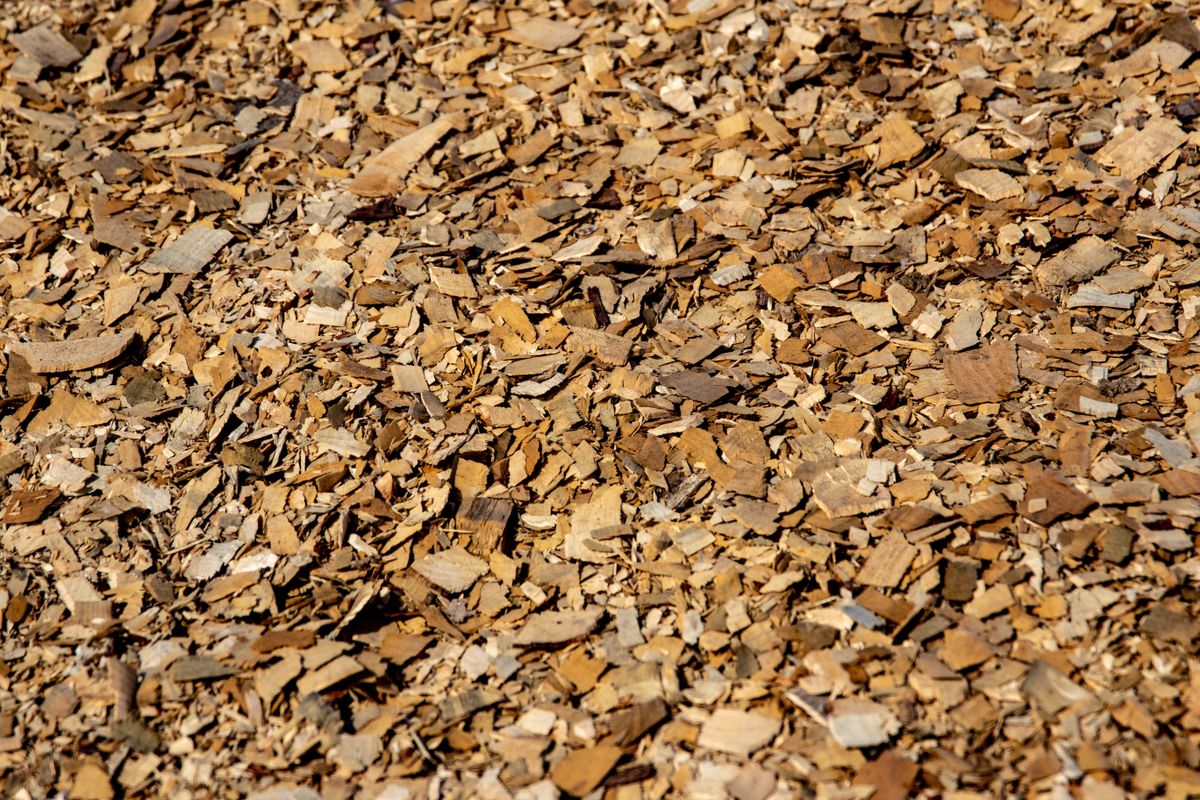
Here's the detail that trips up anyone reading gardening advice from a global audience: September in the Northern Hemisphere is fall prep, but it's spring in Australia and much of the Southern Hemisphere. Australian gardeners aren't laying winter-protection mulch at all right now — they're doing the spring version, applying a similar 5–8cm layer to lock in soil moisture and suppress weeds ahead of the summer heat, which is the exact opposite seasonal goal even though the technique and depth look nearly identical on paper.
- UK: The Royal Horticultural Society recommends applying a mulch layer of roughly 5–8cm (2–3 inches) over moist soil, generally after the first hard frosts in November, refreshed again in spring.
- Australia: Spring mulching (September–October) focuses on moisture retention before the dry summer, at a similar 5–8cm depth, but timed for heat protection rather than frost protection.
⚠️ Note
If you're gardening in the Southern Hemisphere and found this article searching for fall mulch advice, the depth math below still applies — just swap "protect against frost heave" for "protect against summer moisture loss" as your reason for mulching now.
Frequently Asked Questions
Should I remove winter mulch in spring, or leave it?
Pull the thicker winter layer back — don't remove it entirely — once the danger of hard frost has passed and you see new growth starting. Leaving the full 3–4 inch depth on too long into spring can smother emerging shoots and keep soil cooler than new growth wants. Raking it back to a normal 2-inch maintenance layer is usually enough.
Does mulch actually stop the ground from freezing?
No, and that's a common misconception. Mulch slows the rate of temperature change and moderates extremes — it doesn't prevent freezing entirely in most climates. The goal is fewer, gentler freeze-thaw cycles rather than zero freezing, which is what actually reduces frost heave damage.
What's the best mulch material for winter protection specifically?
Shredded hardwood bark and straw are the most common choices — both insulate well and break down slowly enough to still be doing their job in February. Straw is especially popular for vegetable beds and strawberries since it's easy to pull back completely in spring. Avoid fresh, unaged wood chips directly against plant crowns, as they can rob nitrogen from the soil as they start to decompose.
Can I use fallen leaves instead of buying mulch?
Yes — shredded fall leaves are a genuinely effective, free winter mulch, and running them through a mower once or twice before applying prevents them from matting into a soggy, airless layer. They break down into the soil by spring, adding organic matter for free. The main tradeoff is volume: loose leaves compress a lot, so you'll need a noticeably deeper starting pile than the bagged-mulch depth figures above.
Do container plants need winter mulch too?
Yes, and arguably more urgently — a pot has far less soil mass around the roots than open ground, so it swings temperature faster and freezes solid sooner. A 2–3 inch mulch cap on top of the container soil, plus wrapping or grouping pots against a sheltered wall, helps roots survive the same cold that the ground version of this article is protecting against.
Try It Yourself
If you're prepping garden beds for winter, don't guess at the bag count — measure your bed area, decide on a 2-inch (established shrubs) or 4-inch (roses, new plantings, tender perennials) depth, and run both numbers through the Mulch Calculator to get an exact cubic yard and bag total before you head to the store. If you're doing a broader fall property check at the same time, pair it with the Insulation Calculator for your attic and the Concrete Calculator if winter also means patching a walkway before the frost sets in.


