
How to Split Costs on a Group Trip Without Wrecking the Friendship
⚠️ Disclaimer
This article is for informational purposes only and does not constitute financial or tax advice. Money arrangements between friends and family vary by situation and jurisdiction — consult a qualified professional for anything beyond a casual trip.
Four of us split a week in Portugal last summer, and by day three nobody could agree on who owed what. Maya had put the whole $1,240 Airbnb on her card because she booked it first. Dev paid for the rental car. I covered two grocery runs and a very expensive seafood dinner nobody warned me was $95 a head. By the last night, we were passing phones around trying to reconstruct a week of receipts from memory, and two people were convinced they'd been shortchanged. Nobody had, really — we'd just never agreed on how we were splitting things, so everyone assumed a different method.
That's the actual problem with group trips: it's rarely dishonesty, it's a lack of a shared formula. Once you pick a method up front and do the math consistently, the awkward end-of-trip reconciliation disappears. This guide walks through the three ways groups actually split costs — equal, itemized, and multi-currency — with the real formulas and worked numbers behind each one.
How Do You Split a Group Bill Fairly?
An equal split is dividing a shared expense evenly by the number of people, regardless of what each person individually consumed. It's the fastest method and the fairest one when everyone genuinely shared the same experience — a dinner where everyone orders similarly, a shared taxi, or a group Airbnb where the rooms are comparable.
The formula is simple:
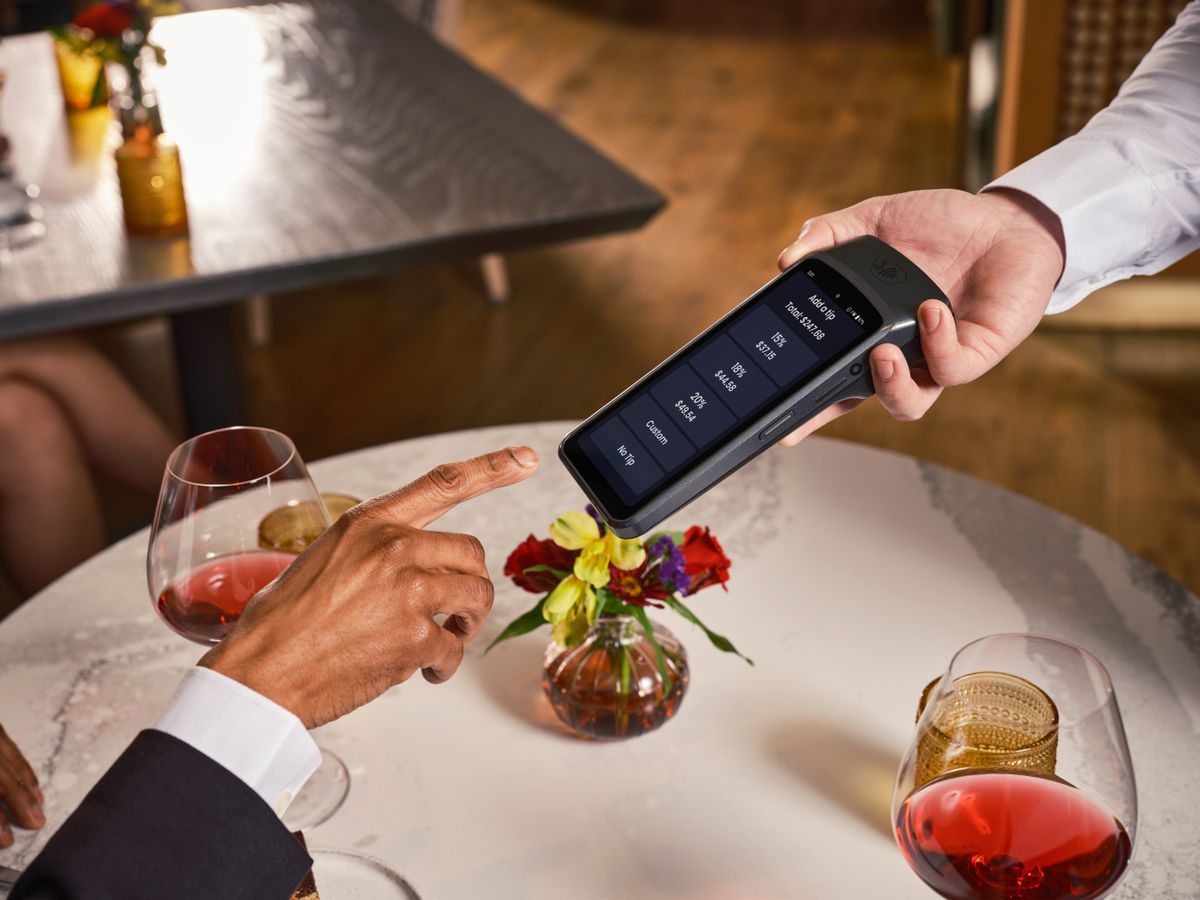
Say a group dinner comes to $310 in the US, and the table agrees on a 20% tip. That's a $62 tip, a $372 total, split five ways — $74.40 each. In the UK, a £180 meal with a 12.5% optional service charge already added comes to £202.50, split four ways at £50.63 each.
Key Takeaway
Equal splitting only feels fair when consumption is roughly equal. The moment one person skips drinks or someone orders the most expensive entrée on the menu, an equal split quietly starts subsidizing the biggest spender.
For any single bill — a dinner, a bar tab, a shared Uber — our Split Bill Calculator does this instantly: enter the total, pick a tip percentage, set the headcount, and it hands back the tip amount, the grand total, and the per-person share.
When Equal Split Isn't Fair: The Itemized Method
Proportional (itemized) splitting is dividing a shared bill based on what each person actually ordered or used, rather than dividing it evenly. It's the fairer method whenever spending is uneven — one person orders a $40 steak while another has a $14 salad.
Here's the math, worked through: our Portugal grocery run came to $186 with tax. Maya's items totaled $71, Dev's $58, mine $57. Instead of $46.50 each (the equal split), the proportional shares were:
| Person | Items Subtotal | Share of Bill |
|---|---|---|
| Maya | $71 | 38.2% ($71.02) |
| Dev | $58 | 31.2% ($58.03) |
| You | $57 | 30.6% ($56.95) |
The formula behind each row: (Person's Item Subtotal ÷ Bill Subtotal) × Total Bill (incl. tax/tip). If tax or a service charge applies to the whole order, distribute it proportionally the same way rather than splitting it evenly — that keeps the light eaters from subsidizing the tax on someone else's extra round of drinks.
💡 Pro Tip
Most restaurant point-of-sale systems can generate itemized checks per person on request — ask before the table splits up ordering, and you skip the manual maths entirely.
How Do You Track Who Owes What Across a Multi-Day Trip?
A single dinner is easy. A week-long trip with a dozen shared expenses spread across four people is where things actually fall apart — which is exactly what happened to us in Portugal. The fix isn't a better memory, it's a running ledger from day one.
A running ledger is a shared, continuously updated record of every group expense — who paid, the amount, and who it covers — kept from the start of a trip rather than reconstructed from memory at the end. Apps like Splitwise popularized this as the standard approach for group travel, but a shared notes app or spreadsheet works identically.
The other trick worth knowing: you don't need to settle every individual expense between every pair of people. Debt-simplification (sometimes called "minimum cash flow") nets everyone's balances against the group and produces the smallest possible number of payments to settle up — instead of four people making twelve separate transfers, it might resolve to two.
⚠️ Note
Money one friend sends to reimburse another for a shared trip expense is generally not considered taxable income in the US or UK — it's a reimbursement, not payment for goods or services. Keep it that way by labeling transfers clearly (e.g. "Airbnb share") rather than as generic payments, particularly on apps that report business transactions to tax authorities.

What Happens When You're Splitting Costs Across Currencies?
International group trips add a second layer: not only does everyone owe a different amount, they're often owed in a different currency than they'll actually spend.
Here's a real distortion this causes. Say the Airbnb was €1,150, and Maya (paying in USD) got charged at an exchange rate of 1.09 USD/EUR on booking day — $1,253.50. By the time Dev reimburses his share three days later, the rate has shifted to 1.06, so his "quarter share" converted at the new rate is worth less in euros than it should be. Over a few reimbursements, these small rate shifts genuinely add up.
Key Takeaway
Lock in the split using the exchange rate on the day the original expense was paid, not the day each person reimburses it — otherwise you're all quietly betting on currency movements without meaning to.
Card networks add another cost that's easy to miss. Visa and Mastercard typically apply a currency conversion markup, and many card issuers stack an additional foreign transaction fee on top — commonly 1–3% combined. On a $1,250 shared Airbnb, that's $12–$37 disappearing before anyone even starts dividing the bill.
| Currency Pair | Example Trip Cost | Typical Card Markup |
|---|---|---|
| USD → EUR | $1,250 | 1–3% |
| GBP → AUD | £900 | 1–3% |
| USD → JPY | $800 | 1–3% |
Use our Currency Converter to check the live rate before agreeing on who owes what, and try to lock in the split using that day's rate rather than recalculating it every time someone pays their share.

The System That Actually Works
The trip that goes smoothly isn't the one with the most careful people — it's the one where everyone agreed on a method before the first receipt existed. In practice, that means three decisions made on day one, not day five:
- Pick equal or itemized, per category. Meals where everyone eats roughly the same → equal split. Anything with wide variation (shopping, bar tabs, souvenirs) → itemized.
- Name one person the "bank." One card books the big shared costs (accommodation, group transport); everyone else reimburses that person directly rather than everyone paying separately and cross-checking twelve transactions.
- Log it the same day. A five-second note in a shared spreadsheet the moment a bill is paid beats trying to reconstruct a week of spending from memory and a stack of receipts.

For the actual math — equal splits, tips, and per-person totals — our Split Bill Calculator and Tip Calculator handle the arithmetic in seconds. If you're budgeting for the whole trip before you leave, the Budget Calculator is worth running too, so the group has a shared number to aim for before the first bill even arrives.
Frequently Asked Questions
What's the fairest way to split a group bill?
It depends on how evenly the group actually spent. An equal split is fairest when everyone ordered or used roughly the same amount. An itemized split — dividing costs proportionally to what each person actually consumed — is fairer whenever spending varies significantly between people.
Should tax and tip be split equally or proportionally?
To stay consistent, split tax and tip using the same method as the rest of the bill. If you're doing an itemized split, calculate each person's tax and tip based on their share of the subtotal, not divided evenly — otherwise light spenders end up subsidizing the tax on someone else's larger order.
Do I need to report money I get back from friends for a shared trip as income?
Generally no. Reimbursements between friends for shared expenses — like paying someone back for your share of an Airbnb — are not considered taxable income in the US or UK. Labeling the transfer clearly (e.g. "trip share," not a generic payment) helps keep it distinguishable from a business transaction if you're using an app that reports payments.
What exchange rate should we use when splitting a foreign expense?
Use the exchange rate from the day the original expense was paid, not the day each person reimburses it. Exchange rates move daily, so calculating the split later at a different rate means someone effectively pays more or less than their true share.
What's the best way to track expenses on a multi-day group trip?
Keep a running ledger from the first day — a shared spreadsheet or expense-splitting app where every payment is logged the same day it happens, including who paid and who it covers. Reconstructing a week of spending from memory on the last night is the single biggest cause of group trip money disputes.
Try It Yourself
The math behind a fair split isn't complicated — it just has to be agreed on before the spending starts, not after. Whether it's tonight's dinner or a week-long trip, run the numbers with our Split Bill Calculator, check the tip with the Tip Calculator, and convert currencies before you settle up with the Currency Converter.